WoodCutTool Learn
Should You Buy an Extra Sheet of Plywood?
Buy an extra sheet of plywood when the cost and disruption of a shortage are greater than the carrying cost of spare material. The answer depends on layout margin, material consistency, defect risk, replacement difficulty, supplier lead time, your cutting process, and whether a leftover sheet has a planned use. A flat percentage rule is less reliable than a project-specific risk check.
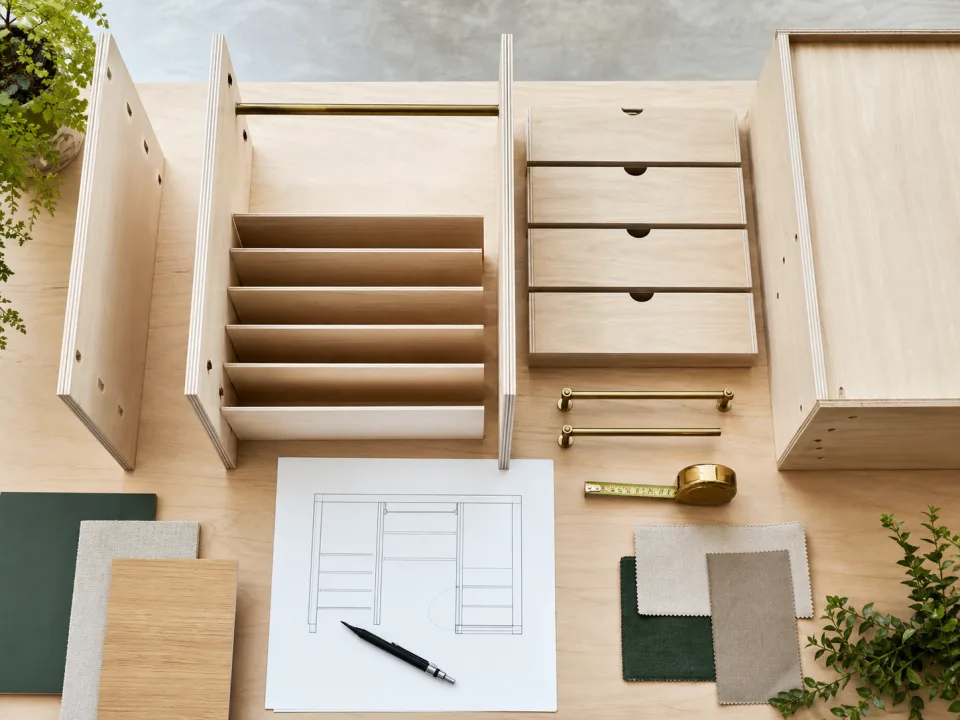
Target keywords
Start with a complete cut layout
Do not add a spare sheet to compensate for an unfinished parts list. Enter every part, quantity, stock size, kerf, grain rule, and edge-trim assumption in the plywood cut calculator. Confirm that every part is placed. The modeled sheet count is the baseline purchase quantity; contingency is a separate decision made after the layout is reviewed.
Look at layout resilience
A plan with large rectangular offcuts can absorb a recut more easily than a plan that fills every usable zone. Identify the largest critical part and ask whether any remaining offcut can replace it. If one damaged door or cabinet side would require a new full panel, the project has low replacement resilience even when the headline yield looks efficient. Tight zero-trim or zero-kerf layouts are another warning sign.
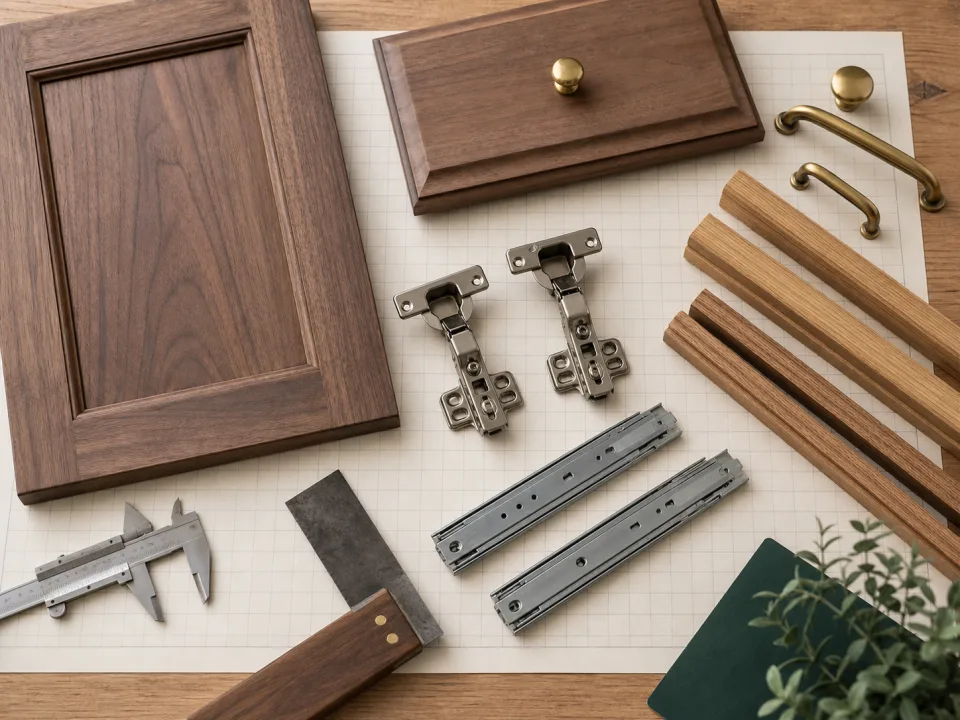
Consider material matching and availability
Veneer color, grain, prefinished surfaces, melamine patterns, and panel thickness can vary between batches. A later replacement may not match the original purchase. Check supplier stock, lead time, minimum order, delivery charge, and return policy. For a common paint-grade panel available locally, a same-day replacement may be acceptable. For sequenced veneer or a special import, reserve matching material before cutting.
Separate skill risk from material allowance
A new process, unfamiliar machine, complicated setup, or many visible parts can raise the probability of a recut. Plan test pieces from offcuts when possible and verify a repeated setup before batch cutting. Spare material does not make an unsafe sequence acceptable, but it can protect the schedule from an honest setup mistake. If another shop will cut the panels, clarify who owns replacement material and how errors are documented.
Price the downside
Compare the cost of one extra sheet and storage with the cost of a second delivery, lost shop time, delayed installation, mismatched material, or an incomplete client job. The wood waste calculator helps price unused area, but add operational costs separately. A spare sheet that becomes shelves or a future standard cabinet part is inventory; an unlabelled panel that warps in poor storage is waste.
Use a documented buy rule
After reviewing the plan, record one of three decisions: exact quantity because replacements are easy and offcuts are resilient; exact quantity plus selected spare parts because only a few pieces are high-risk; or one additional matching sheet because shortage impact is high. Save the final layout and contingency note in CutList. Label untouched spare material and protect it until critical assembly checks are complete.
When to move from learning to planning
Reading is useful when you are choosing a method, but the project becomes real when dimensions, quantities, material costs, and waste are entered into a tool. If the article describes the problem you are facing, the next step is to test your own numbers. Start with the tools hub, choose the calculator that matches the material, and compare the result before buying stock. For plywood and cabinet projects, move the final plan into CutList so the layout can be saved, reopened, exported, and used at the saw.
Recommended next step
If you only need a quick estimate, open the related browser calculator and run the first pass. If the plywood or cabinet job has many parts, expensive material, or changing measurements, use CutList as the saved project workspace after reviewing the browser result. That creates a clear path from learning the method to checking the layout, preserving revisions, and carrying a cutting sequence to the shop.
Move from reading to a checked plan
Apply should you buy an extra sheet of plywood? to a saved project
Test the method with your own dimensions first. Use CutList when the reviewed plywood plan needs saved revisions, offline access, a cutting sequence, or a Pro PDF handoff.
- Free basic layouts
- No login
- No cloud upload
- Works offline
 On a computer? Scan with your iPhone or iPad.